RCCS is a co-sponsor of the talk. Everybody is welcome.
Abstract
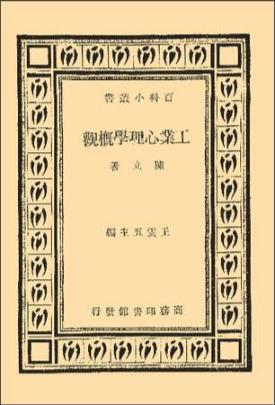
In 1935, the Commercial Press in Shanghai published a modest-sized volume on a subject most of its readers likely never heard of. Titled An Overview of Industrial Psychology (工業心理學概觀), this text had been written by a young psychologist who recently returned from his doctoral studies in Britain. It was the first in Chinese on the titular subject, which promised to (amid other things) “restore the rightful place of human beings in processes of production.” What was industrial psychology, and how did those who promoted and practiced it do so across multiple political and productive regimes? In this talk, I trace the history of industrial psychology in China from the 1930s to the 1990s, focusing on how this systematic study of work and the workplace reflected shifts in the meaning and value of labor and of science over those decades.
Bio
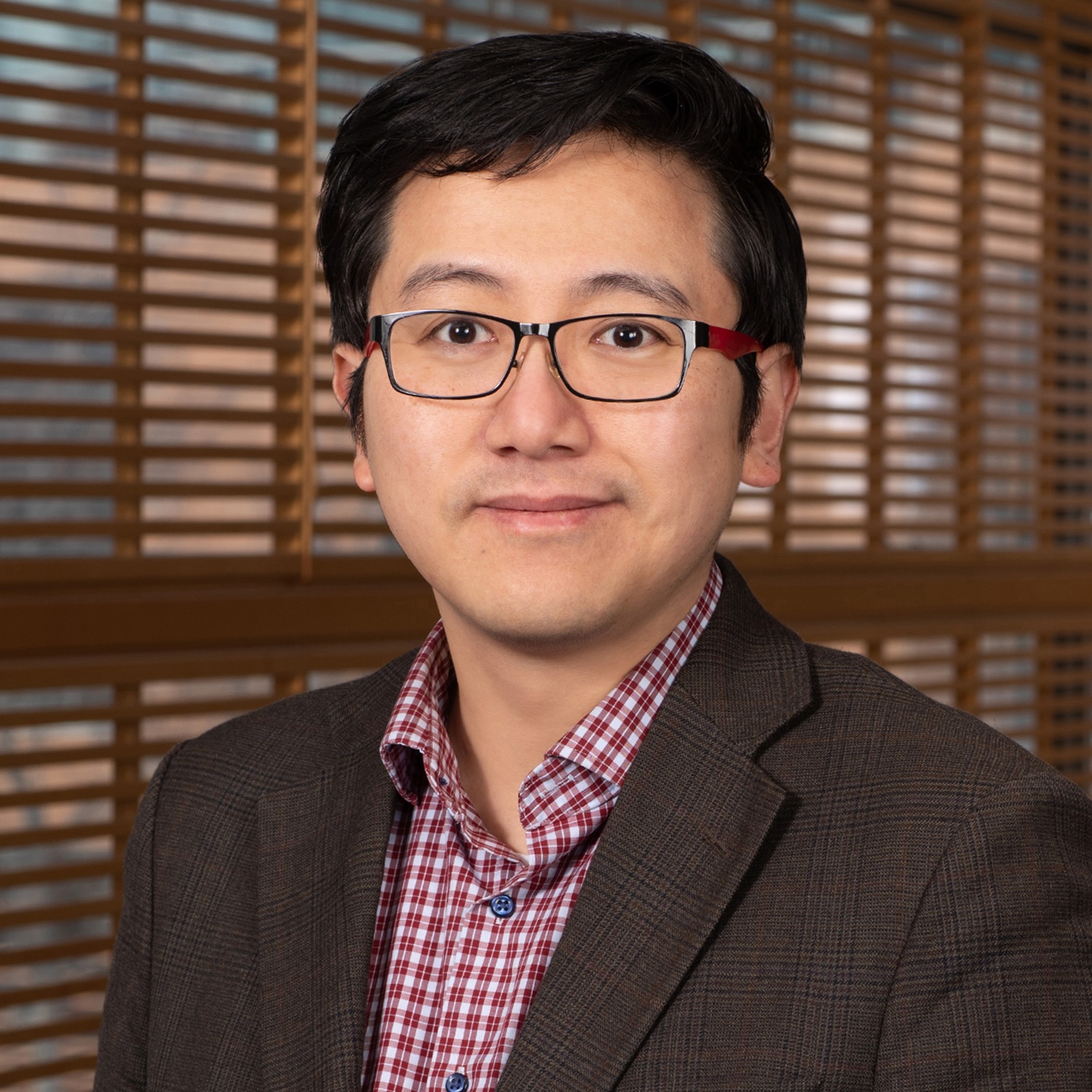
Victor Seow is a historian of technology, science, and industry. He specializes in China and Japan in the long twentieth century and in histories of energy and work. At the core, his research revolves around questions of how technoscientific developments intersect with economic life and environmental change in the making and unmaking of industrial society.
Professor Seow is the author of Carbon Technocracy: Energy Regimes in Modern East Asia(Chicago: University of Chicago Press, 2022), a study of the deep links between energy extraction and technocratic politics through the history of what was once East Asia’s largest coal mine. In delving into the origins of fossil-fueled development in China and Japan, this book unearths both the dominant role of the state in energy transitions toward coal and oil and the enduring reliance on human labor power in the carbon age.
Carbon Technocracy has received several awards, including the Association for Asian Studies John Whitney Hall Book Prize, the Chinese Historians in the United States Academic Excellence Award, the Society for Historians of American Foreign Relations Michael H. Hunt Prize in International History, and the American Academy of Arts and Sciences Sarton Prize for the History of Science. It was also named one of Kirkus Reviews best books of 2022.
Professor Seow is currently researching and writing his next book, tentatively titled The Human Factor: A History of Science, Work, and the Politics of Production. Through a history of industrial psychology in China from the 1930s to the present, this book asks how work became a subject of scientific inquiry and how the sciences of work shaped and have been shaped by the wider politics of production. For this project, he recently completed an ALM in industrial and organizational psychology at the Harvard Extension School.